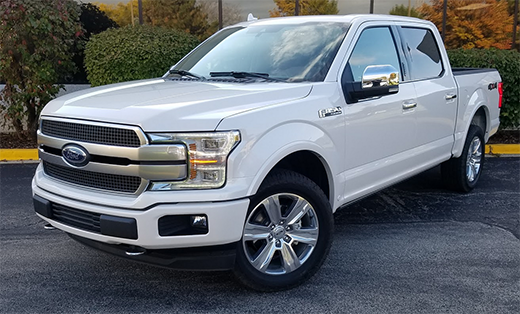
Lead Frame Failure (6-Speed)
Affected Years: 2011–2016 (6-Speed Transmission)
A notorious failure in 6-speed Ford F-150s causes a highly alarming sequence: a sudden, harsh downshift at cruising speeds that spikes engine RPMs and disrupts the drivetrain. Drivers often report secondary symptoms like a dead speedometer while driving and a blinking PRNDL display. These erratic transmission issues typically result in violent shifting, unprompted downshifts, and the truck forcing itself into a protective fail-safe mode.
Root Cause: The molded lead frame lives on the valve body and houses the output speed sensor. When fine metal shavings or internal electrical faults interrupt this sensor’s signal, the transmission computer gets blinded, misreads the truck's speed, and forces an incorrect shift. This specific failure is a massive talking point for 2011–2016 Ford F-150 owners dealing with the notorious 6R80 transmission.
Diagnosis & Fixes: Accurate troubleshooting kicks off by scanning for fault codes like P0720 or P0722. Mechanics then evaluate live data to compare the output speed sensor's readings against what gear the computer is asking for versus how the transmission is physically responding.
- DIY: Check for warning lights, note when the downshift happens, and scan for basic transmission codes if you have a capable scan tool.
- Transmission Diagnostic Scan: Avg. Cost $100 — Contact Specialist
- Pro Fix:Replace the molded lead frame by removing the pan and valve body, then verify operation with fresh fluid and a filter service.
- Lead Frame (Conductor plate) Replacement: Avg. Cost $2,200 — Contact Specialist
- Pro Fix: Service the transmission while open to reduce debris-related valve body issues.
- Transmission Fluid and Filter Service: Avg. Cost $350 — Contact Specialist
10R80 Hard Shifting (10-Speed)
Affected Years: 2017–2021
The 10R80 10-speed transmission has a reputation for ruining the refinement of the F-150. Its hallmark symptoms include loud clunks, rough 3-5 gear changes, sluggish acceleration from a stop, and sudden downshifts that feel like a bump from behind. Because this harsh shifting happens completely at random, owners are often left guessing whether their transmission is on the verge of total failure. These widespread complaints make the 10R80 one of the most heavily researched transmission topics on the internet.
Root Cause: The 10R80's flaws can be traced back to a few specific internal weak spots. A primary culprit is a displaced CDF drum sleeve, which blocks the hydraulic fluid pressure needed to engage the clutches. Other frequent issues include worn internal clutch shells, valve body defects, and adaptive learning errors. Together, these mechanical breakdowns trigger the classic 10R80 symptoms: violent shifts, gear flaring, delayed response, and erratic timing.
Diagnosis & Fixes: The diagnostic path starts on the road and on the scanner, checking real-time data and computer adaptive metrics. If those initial checks don't yield a fix and the shifting issues continue, the next step requires dropping the pan to inspect the valve body and internal mechanical assemblies.
- DIY/Pro Check: Document which gears feel harsh, whether the problem is worse hot or cold, and check for software updates or stored codes if you have access to advanced scan data.
- Transmission Diagnostic Scan: Avg. Cost $150 — Contact Specialist
- Pro Fix: Perform an adaptive learning reset or software update when shift strategy is the main issue.
- Software Update/Reset: Avg. Cost $225 — Contact Specialist
- Pro Fix: Test and repair the valve body and pressure control system if the harsh shifting stays.
- Valve Body Repair: Avg. Cost $1,500 — Contact Specialist
- Pro Fix: Remove and inspect the unit for CDF drum wear and install updated internal parts when internal damage is confirmed.
- Full Rebuild/Update: Avg. Cost $7,200 - $9,500 — Contact Specialist
Torque Converter Shudder
Affected Years: 2011–2021
This transmission issue typically starts as a subtle annoyance before compounding into an expensive repair. The first warning sign is a brief vibration through the floorboards or seat—resembling a drive over roadside rumble strips—while cruising between 40 and 50 mph. In most F-150 cases, this light-throttle shudder serves as an early indicator before more severe torque converter clutch slipping develops.
Root Cause: When a torque converter clutch slips and grabs repeatedly rather than locking smoothly, it creates a noticeable shudder. The root causes of this vibration include thermal stress, broken-down fluid, friction material breakdown, or physical damage inside the converter. For both the 6-speed (6R80) and 10-speed (10R80) Ford trucks, worn-out fluid and degraded converters are the most frequent sources of the problem.
Diagnosis & Fixes: Finding the issue requires three main steps: a road test under mild acceleration, a data scan to measure actual converter clutch slip, and a physical check of the fluid to rule out overheating or debris contamination.
- DIY/Pro Check: Watch for a repeatable shudder between 30 and 60 mph and inspect fluid condition if it can be checked safely.
- Transmission Diagnostic Scan: Avg. Cost $100 — Contact Specialist
- Pro Fix: Perform a premium fluid service if the shudder is mild and caught early.
- Premium Fluid Service: Avg. Cost $350 — Contact Specialist
- Pro Fix: Replace the torque converter if shudder is severe or keeps returning.
- Torque Converter Replacement: Avg. Cost $2,300 — Contact Specialist
- Pro Fix: Overhaul the transmission if pressure loss, clutch damage, or internal wear is also present.
- Full Transmission Overhaul: Avg. Cost $5,800 - $9,500 — Contact Specialist
Sudden Loss of Power / Limp Mode
Affected Years: 2011–2021
A sudden drop into limp mode catches F-150 drivers completely off guard, usually during critical moments like merging or passing. The truck instantly loses throttle response, feels heavy, and gets locked into one gear while a wrench light pops up on the dash. Forcing you to nurse the vehicle to the side of the road, this protective mode is an incredibly common emergency search query. It almost always points to a critical transmission control or sensor failure that requires immediate professional attention.
Root Cause: This protective, reduced-power mode is triggered when the transmission computer flags an internal error—typically a slip event, solenoid glitch, sensor dropout, or incorrect gear ratio code. Lead frame failure is the primary culprit behind this issue in 2011–2016 Ford F-150s. For newer 2017–2021 models, the safety default is usually sparked by bad solenoids, valve body malfunctions, damaged wiring, or a failing Transmission Control Module.
Diagnosis & Fixes: Troubleshooting starts with a comprehensive system scan and freeze-frame analysis. By carefully tracking gear ratio behavior, solenoid data, and wiring integrity, mechanics can isolate whether the problem stems from an electrical glitch, a hydraulic failure, or internal mechanical wear.
- DIY/Pro Check: Record the warning lights, note the exact driving conditions, and avoid continued driving if the truck is stuck in one gear.
- TCM Scan/Diagnostic: Avg. Cost $100 — Contact Specialist
- Pro Fix: Replace a failed shift solenoid when testing points to a specific solenoid issue.
- Solenoid Replacement: Avg. Cost $600 — Contact Specialist
- Pro Fix: Repair damaged wiring, connectors, or grounds near the transmission case.
- Transmission Wiring Repair: Avg. Cost varies greatly — Contact Specialist
- Pro Fix: Replace or reprogram the transmission control module if software corruption or module failure is confirmed.
- TCM Replacement/Programming: Avg. Cost $250 — Contact Specialist
Delayed Engagement
Affected Years: 2011–2021
When an F-150 pauses after being shifted into Drive or Reverse, it feels like the gearbox is struggling to process the command before it finally hooks up. This hesitation can strike either during a cold morning start or after the truck is completely warmed up. This delayed engagement is a classic Ford transmission symptom that usually points to three main issues: low fluid pressure, worn internal seals, or a degrading valve body.
Root Cause: The primary culprits behind a delayed shift include fluid drain-back, worn seals, valve body deterioration, and internal pressure loss. This specific hesitation is a common sight on older, high-mileage 6R80 gearboxes, but it also plagues 10R80 units suffering from internal clutch wear or hydraulic control issues.
Diagnosis & Fixes: Diagnosis includes checking fluid condition, timing the delay into Drive or Reverse, scanning for related codes, and pressure testing when needed.
- DIY/Pro Check: Pay attention to whether the delay happens only cold, only hot, or in one direction like Reverse.
- Transmission Diagnostic Scan: Avg. Cost $100 — Contact Specialist
- Pro Fix: Perform a fluid and filter service if the issue is mild and the fluid is still serviceable.
- Fluid & Filter Service: Avg. Cost $350 — Contact Specialist
- Pro Fix: Repair the valve body or internal sealing issues if pressure loss is confirmed.
- Valve Body Repair: Avg. Cost $1,500 — Contact Specialist
- Pro Fix: Rebuild the transmission if clutch wear or hard part damage is causing a major delay.
- Full Transmission Overhaul: Avg. Cost $5,800 - $9,500 — Contact Specialist
Transmission Slipping Symptoms
Affected Years: Most common on higher-mileage 6-speed trucks and hard-working 10-speed models
This issue leaves your truck feeling sluggish and uncoordinated at the worst imaginable moment. The engine RPMs spike as you press the gas, but acceleration lags until the transmission abruptly catches and jerks forward. Drivers often mistake this "rev-then-grab" behavior for a loss of road grip, but the true fault lies deep inside the transmission components. This specific behavior remains the top-reported symptom among F-150 owners experiencing a slipping transmission.
Root Cause: For the Ford F-150, a slipping transmission is almost always an issue of pressure or friction. While older 6-speed models usually suffer from worn-out internal clutch packs, overworked 10-speeds frequently battle a mix of clutch wear, hydraulic control failures, and pressure drops that ruin shift quality. System-wide starvation can also stem from a clogged filter or a failing fluid pump. Across all models, extreme heat is the ultimate enemy. High temperatures bake the fluid, destroy seals, and ruin clutches, quickly escalating minor shifting hiccups into a non-stop headache.
Diagnosis & Fixes: Troubleshooting kicks off by analyzing the fluid and dropping the pan to scan for clutch material or metal shavings. Mechanics then run pressure and solenoid tests to determine whether the shifting fault is a fixable control module issue or severe internal transmission wear.
- DIY/Pro Check: Check for burnt-smelling fluid, delayed movement, or flare shifts and stop towing if the slipping is getting worse.
- Transmission Diagnostic Scan: Avg. Cost $100 — Contact Specialist
- Pro Fix: Service the fluid and filter if the issue is caught early and the internals still look clean.
- Fluid & Filter Service: Avg. Cost $350 — Contact Specialist
- Pro Fix: Replace a sticking or failed solenoid when testing shows a control problem.
- Solenoid Replacement: Avg. Cost $650 — Contact Specialist
- Pro Check: Perform a heavy-duty rebuild with updated internal parts if the pan is full of debris or the clutches are worn out.
- Heavy-Duty Rebuild: Avg. Cost $5,800 - $9,500 — Contact Specialist